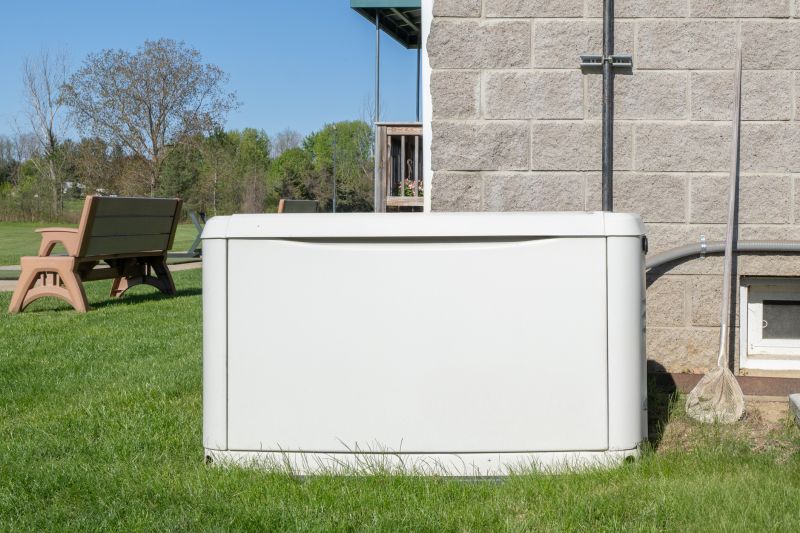
Generator Installation in Utah County, UT
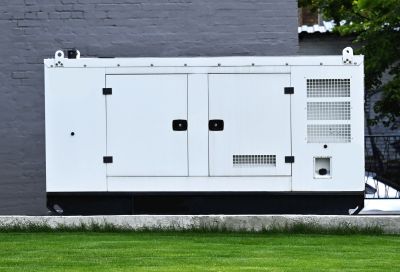
Generator installation services involve setting up backup power systems that provide electricity during outages or in locations without access to the main power grid. These projects typically include selecting the appropriate generator size, connecting it to the property’s electrical system, and ensuring proper integration with existing wiring. Homeowners often request this service to maintain essential appliances, protect sensitive electronics, or ensure continuous power supply during storms or emergencies. Before requesting installation, property owners should consider factors such as the size of the property, the power needs of key appliances, and whether the generator will be connected to a natural gas, propane, or diesel fuel source.
Understanding the different types of generators available, such as portable versus standby models, can help homeowners make informed decisions. It’s also important to evaluate the installation location, ensuring proper ventilation and accessibility for maintenance. Property owners typically want to know about the power capacity, fuel requirements, and any local regulations or permits needed for installation. Clarifying these details beforehand can help ensure the project proceeds smoothly and that the backup power system meets the specific needs of the home.
Many property owners in Utah County, UT look into Generator Installation for repairs, replacements, upgrades, and appearance-related improvements.
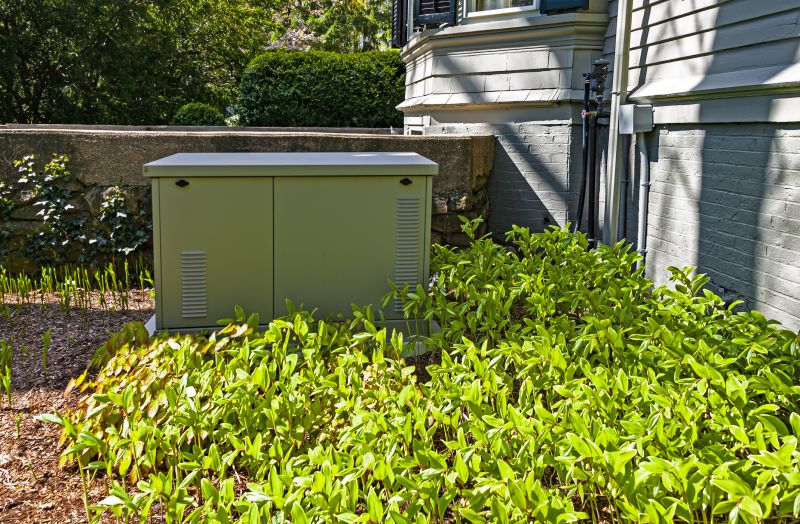
Residential Generator Installation
Ensuring your home has reliable backup power during outages.
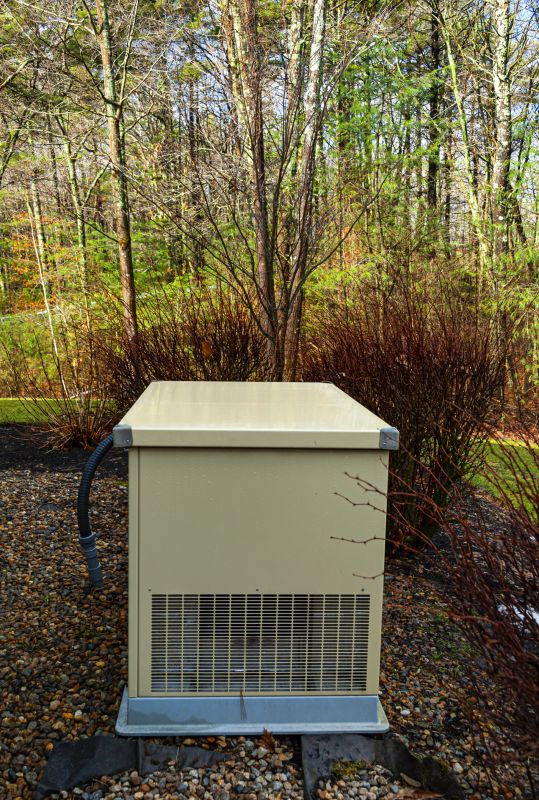
Commercial Generator Setup
Providing businesses with continuous power to keep operations running smoothly.
Generator Maintenance & Upgrades
Keeping your generator in optimal condition for long-term performance and safety.
Generator Installation in Utah County, UT

Generator installation services involve setting up backup power systems that provide electricity during outages or in locations without access to the main power grid. These projects typically include selecting the appropriate generator size, connecting it to the property’s electrical system, and ensuring proper integration with existing wiring. Homeowners often request this service to maintain essential appliances, protect sensitive electronics, or ensure continuous power supply during storms or emergencies. Before requesting installation, property owners should consider factors such as the size of the property, the power needs of key appliances, and whether the generator will be connected to a natural gas, propane, or diesel fuel source.
Understanding the different types of generators available, such as portable versus standby models, can help homeowners make informed decisions. It’s also important to evaluate the installation location, ensuring proper ventilation and accessibility for maintenance. Property owners typically want to know about the power capacity, fuel requirements, and any local regulations or permits needed for installation. Clarifying these details beforehand can help ensure the project proceeds smoothly and that the backup power system meets the specific needs of the home.
Many property owners in Utah County, UT look into Generator Installation for repairs, replacements, upgrades, and appearance-related improvements.
Common Generator Installation Jobs
Generator Installation - professional setup of backup power systems for residential properties.
Whole-house generators - installation of systems designed to power entire homes during outages.
Portable generator hookups - connecting portable units safely for temporary power needs.
Automatic transfer switches - installing switches that automatically activate generators during outages.
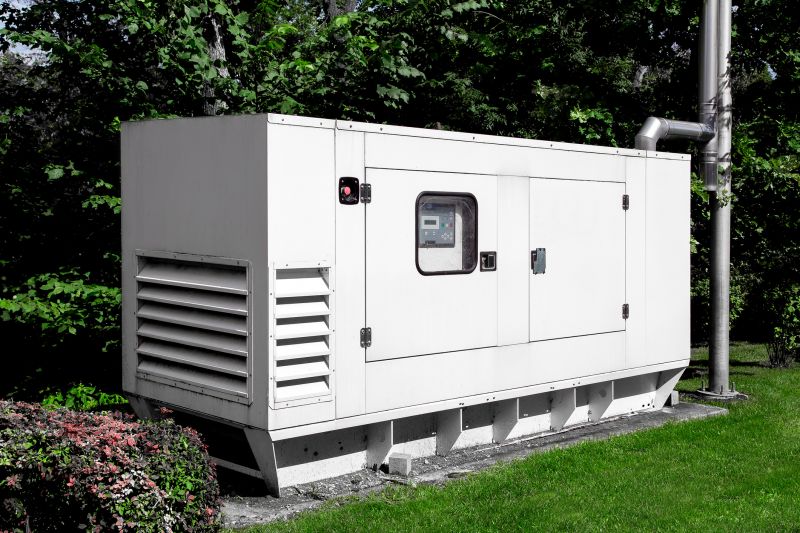
Standby generator systems - setting up permanently installed generators for reliable backup power.
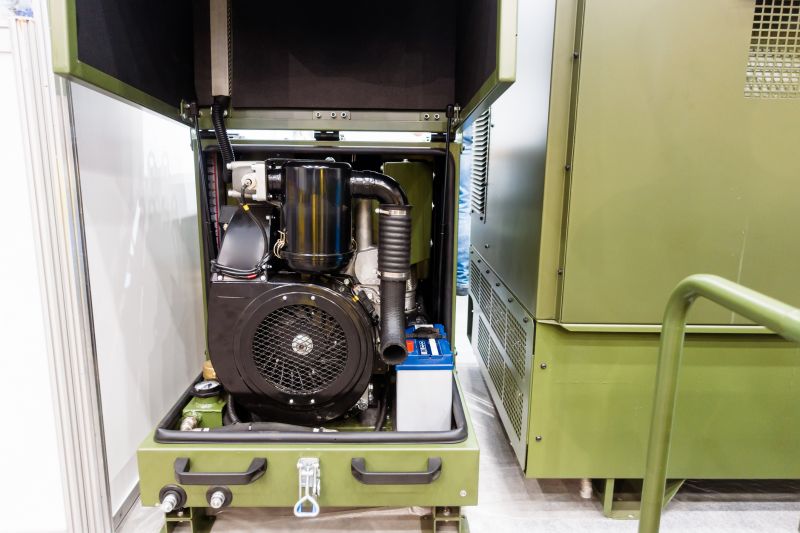
Generator upgrades and replacements - updating existing systems to improve performance and capacity.
Generator Installation Questions
What types of generators are suitable for residential properties? Standby and portable generators are common options for homeowners, providing backup power during outages and supporting essential appliances.
Is it necessary to upgrade electrical systems for generator installation? In many cases, existing electrical panels need modifications or upgrades to safely connect a generator and ensure proper operation.
What should property owners consider before installing a generator? It's important to assess power needs, available space, and local code requirements to determine the best generator type and placement.
Are permits required for generator installation? Yes, obtaining necessary permits from local authorities is typically required to ensure the installation meets safety and code standards.
Request Generator Installation in Utah County, UT
Use the quote form on this page to share the basics of your project and request more information for the type of work you need.